
The path to civilian oversight in Chicago
Chicago has a long and powerful history of residents demanding greater accountability from their police department. The Community Commission for Public Safety and Accountability (CCPSA) and District Councils are the result of decades of organizing, advocacy, and public demand for civilian oversight and a safer, more just city.
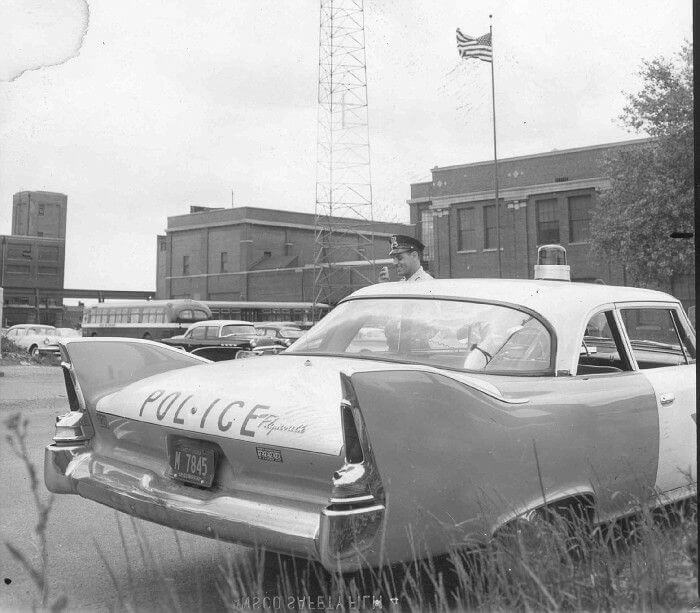
1960
- “Summerdale Scandal” reveals that uniformed police officers were plotting and carrying out burglaries and taking bribes
- The scandal led to the creation of the Chicago Police Board and briefly put the Police Department under the direction of the Police Board
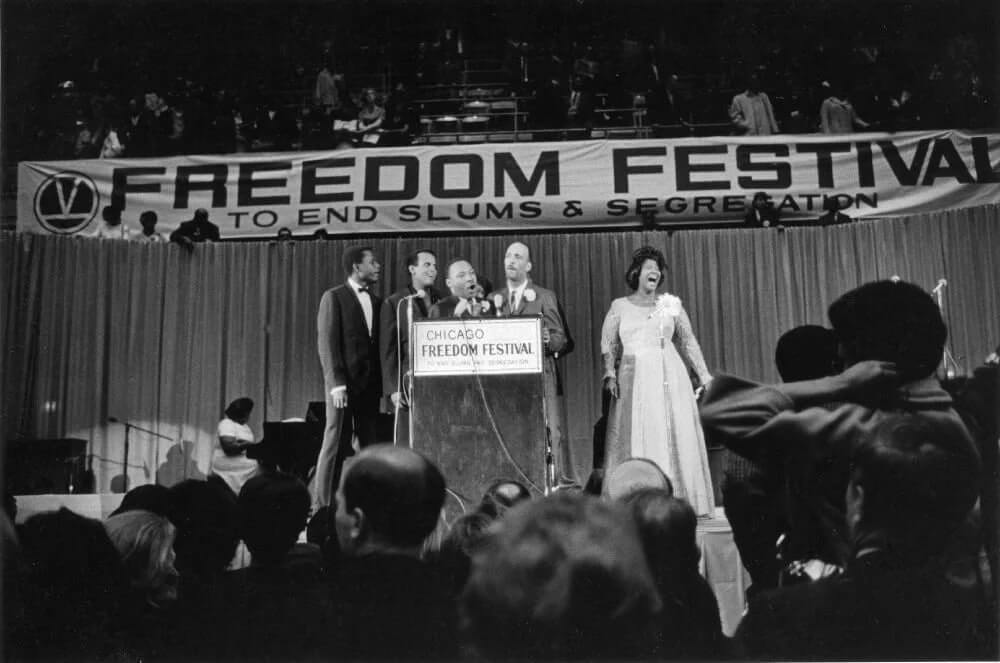
1966
- Martin Luther King and the Chicago Freedom Movement call for creation of a citizens’ review board for grievances against the police
1973
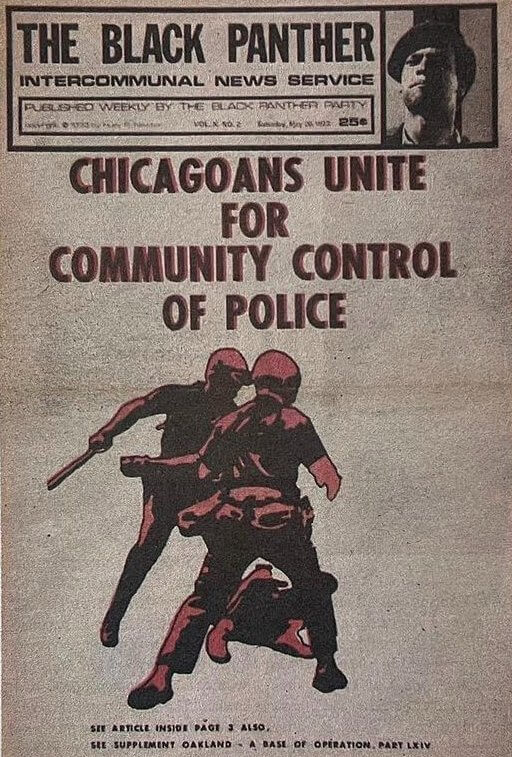
- Black Panther Party and a multiracial coalition sponsor a conference on community control of the police, which included advocating for a ballot measure to create elected, citizen-led boards in every police district that would have had power to set police department policy in that district
- Metcalfe Commission report leads to the creation of a new body, the Office of Professional Standards (OPS), which investigated allegations of police misconduct. OPS operated within the Chicago Police Department but was staffed by civilians
2007
- After a series of scandals involving police officers who used excessive force, and growing criticism that OPS was not doing enough to hold police officers accountable for misconduct, the City of Chicago disbands OPS and creates a new body, the Independent Police Review Authority, or IPRA
- Like OPS, IPRA investigated the more serious allegations of police misconduct, but it existed outside the police department and was entirely under civilian control
- Over time, IPRA faced lots of criticism for finding nearly all CPD shootings to be justified
2012
- Following a series of police shootings, Chicago Alliance Against Racist Political Repression (CAARPR) launches an effort to create elected Civilian Police Accountability Councils, with power to hire and fire the Chicago Police Department Superintendent, set Police Department policy, and negotiate police unions contracts
2015
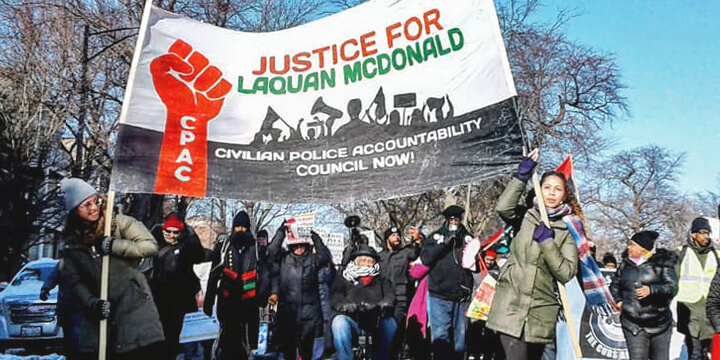
- Video released of a police officer killing a teenager, Laquan McDonald, in October 2014
- In the wake of public protest following the release of the video, in December 2015, Mayor Rahm Emanuel creates the Police Accountability Task Force
2016
- Police Accountability Task Force issues a report with over 100 recommendations, including:
- to disband IPRA and replace it with a new oversight body
- to create a Deputy Inspector General for Public Safety within the Office of Inspector General, to look at issues beyond misconduct allegations involving individual officers
- to create a “community oversight board” with power to oversee the police department and other oversight bodies
- But, because there hadn’t been meaningful community input in the task force’s work, PATF didn’t offer a lot of specifics and said that a community board should be created “with broad public input.”
- Following release of the Police Accountability Task Force report, community organizations working in neighborhoods across the city come together to form a coalition, called the Grassroots Alliance for Police Accountability (GAPA) and to develop recommendations for creation of the “Community Oversight Board” that the Police Accountability Task Force had proposed
- CAARPR introduces “Civilian Police Accountability Council” (CPAC) ordinance
- Chicago City Council votes to disband IPRA and replace it with new Civilian Office of Police Accountability (COPA)
- Chicago City Council votes to establish Deputy Inspector General for Public Safety within the Office of the Inspector General
2017
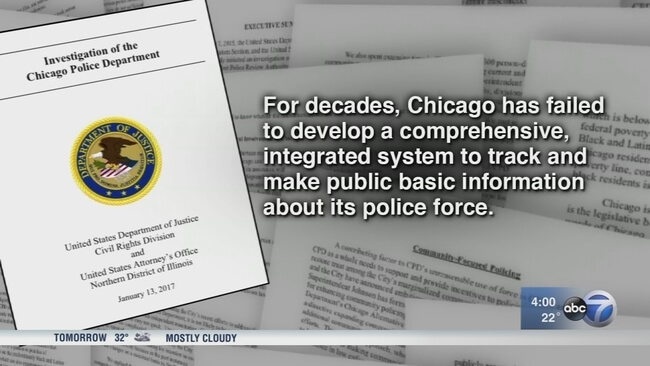
- The U.S. Department of Justice issues a report that finds unconstitutional and discriminatory patterns and practices in the Chicago Police Department’s use of force and other practices
2018
- GAPA introduces ordinance to create Community Commission for Public Safety and District Councils
2019
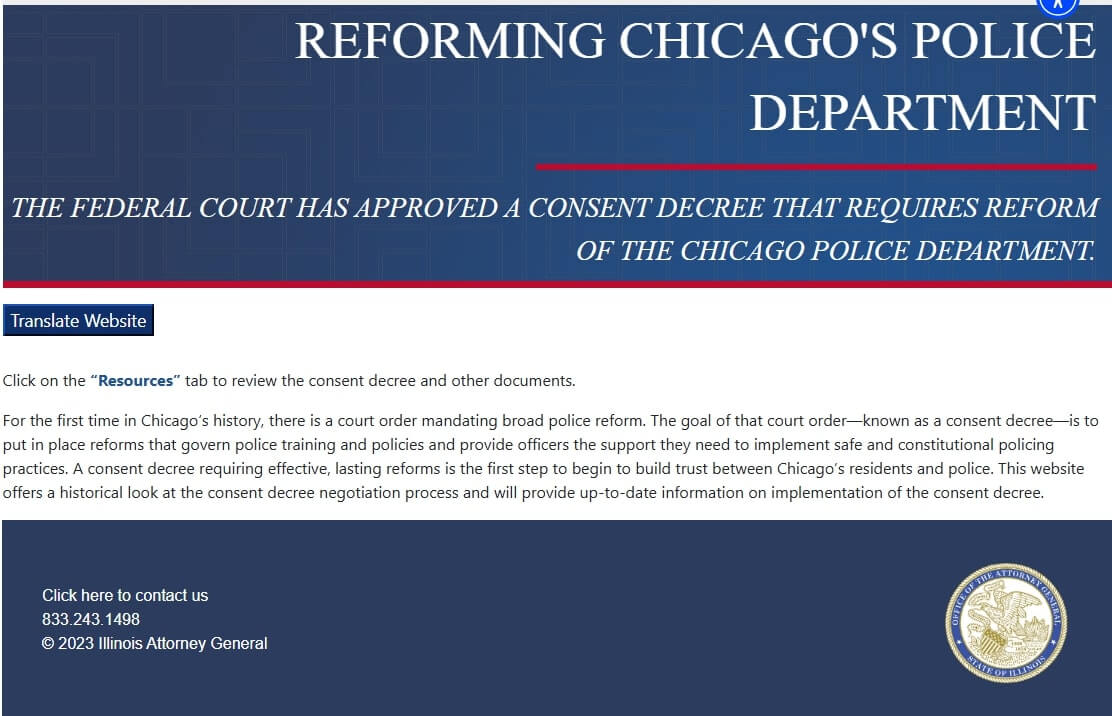
- As the result of a lawsuit filed by the Illinois Office of the Attorney General against the City of Chicago, a consent decree is entered in federal court, requiring changes to Chicago Police Department policies and operations, and other components of the City’s public safety operations and oversight structure
2020
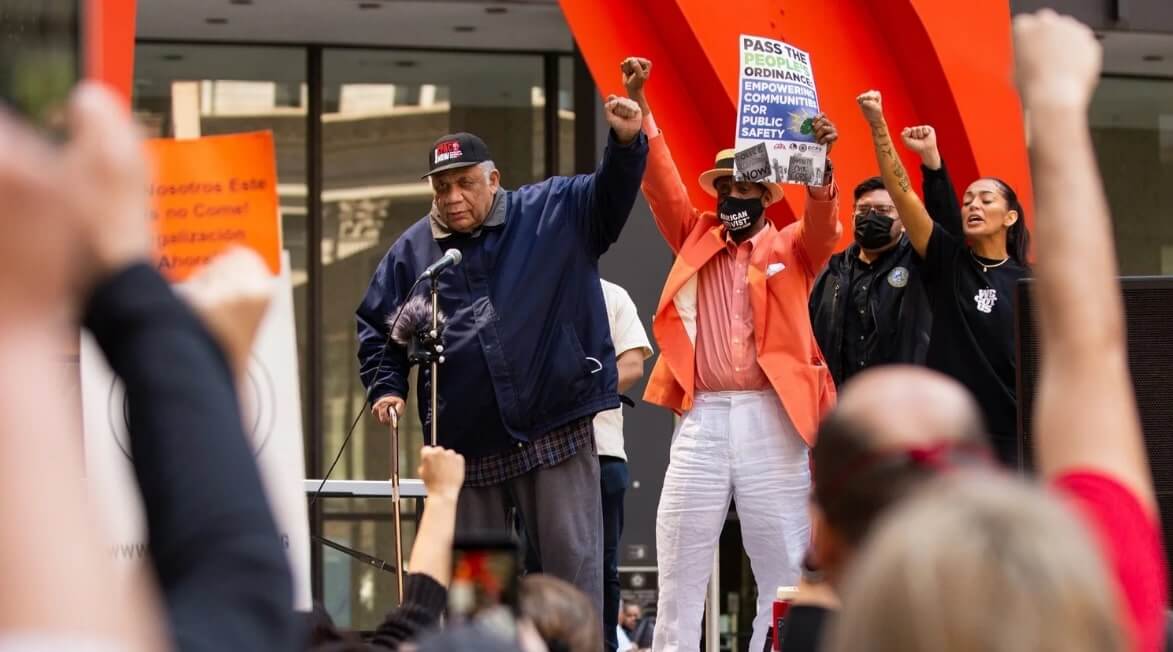
- GAPA and CAARPR join forces and work together to create the “Empowering Communities for Public Safety” ordinance that includes elements of both the GAPA and CPAC ordinances
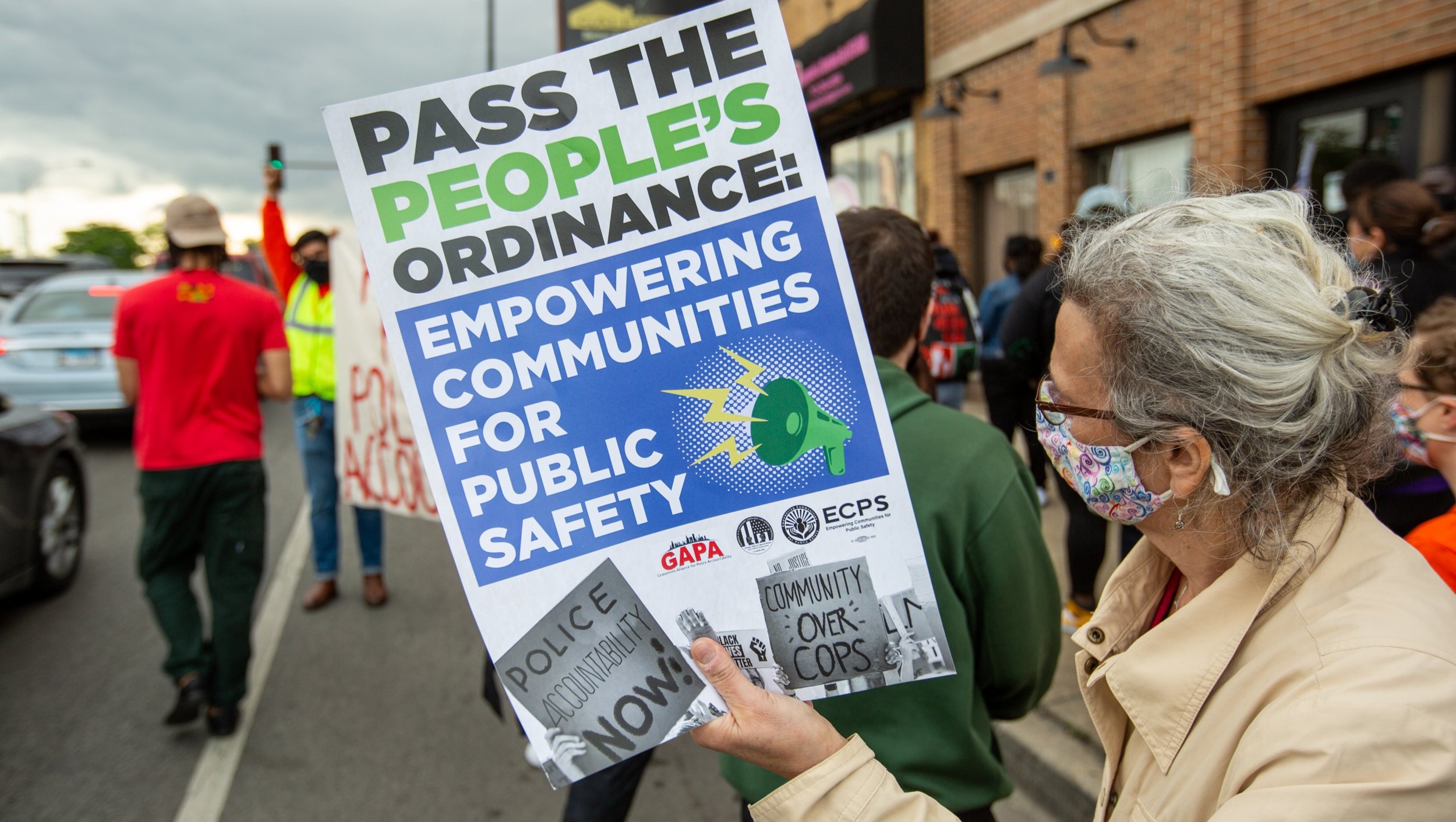
2021
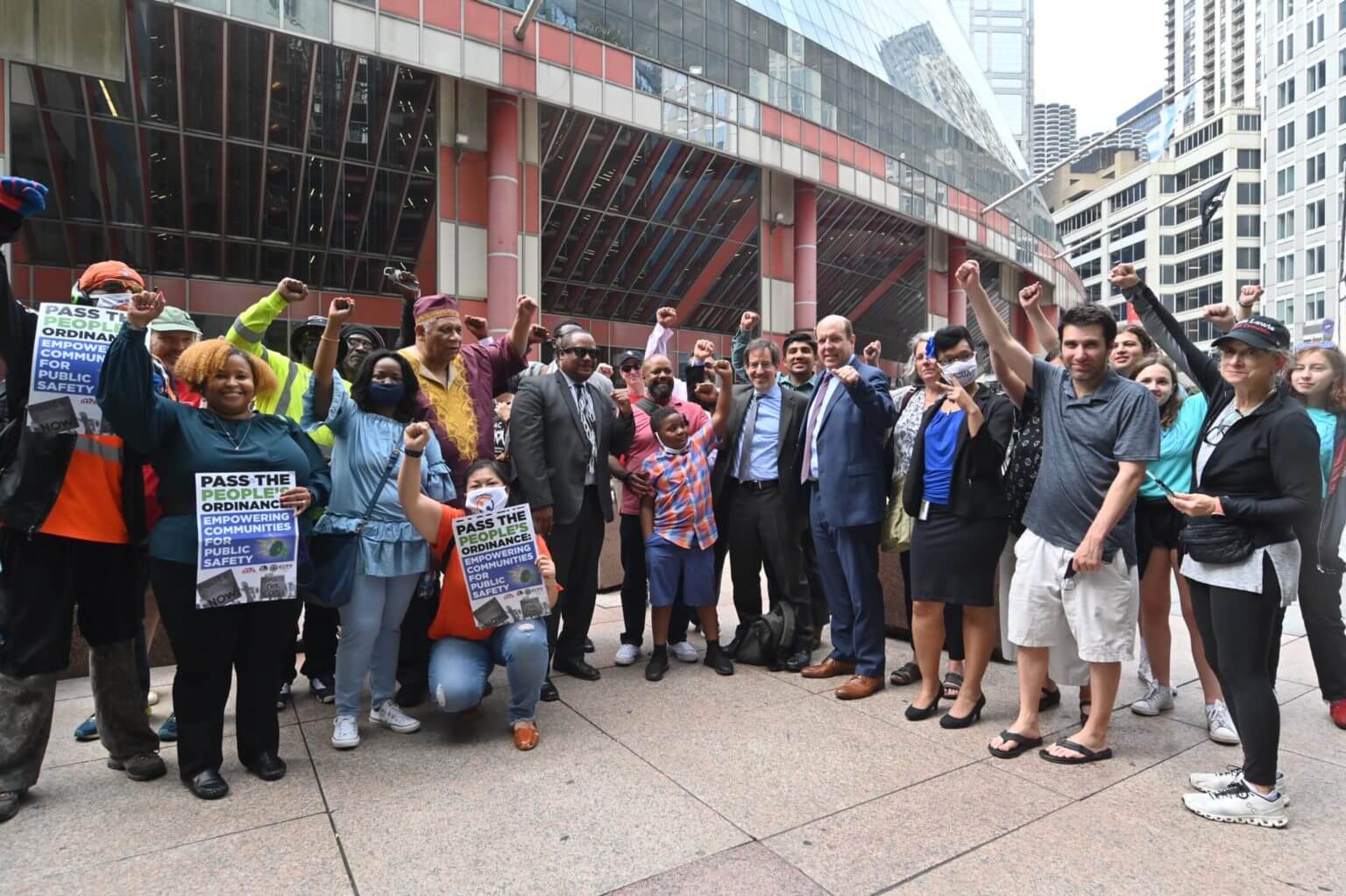
- Chicago City Council passes the Empowering Communities for Public Safety ordinance with more than 2/3 of aldermen voting in support
- The ordinance creates an appointed Community Commission for Public Safety and Accountability and elected District Councils in each of the city’s 22 police districts and says the new bodies will work to
- Increase public safety
- Build trust between the police department and Chicago residents
- Improve interactions between police and the people they serve
- Make sure CPD policies are rooted in community needs
- Increase accountability
2022
- Interim Community Commission for Public Safety and Accountability created, with members nominated by the City Council and selected by the Mayor
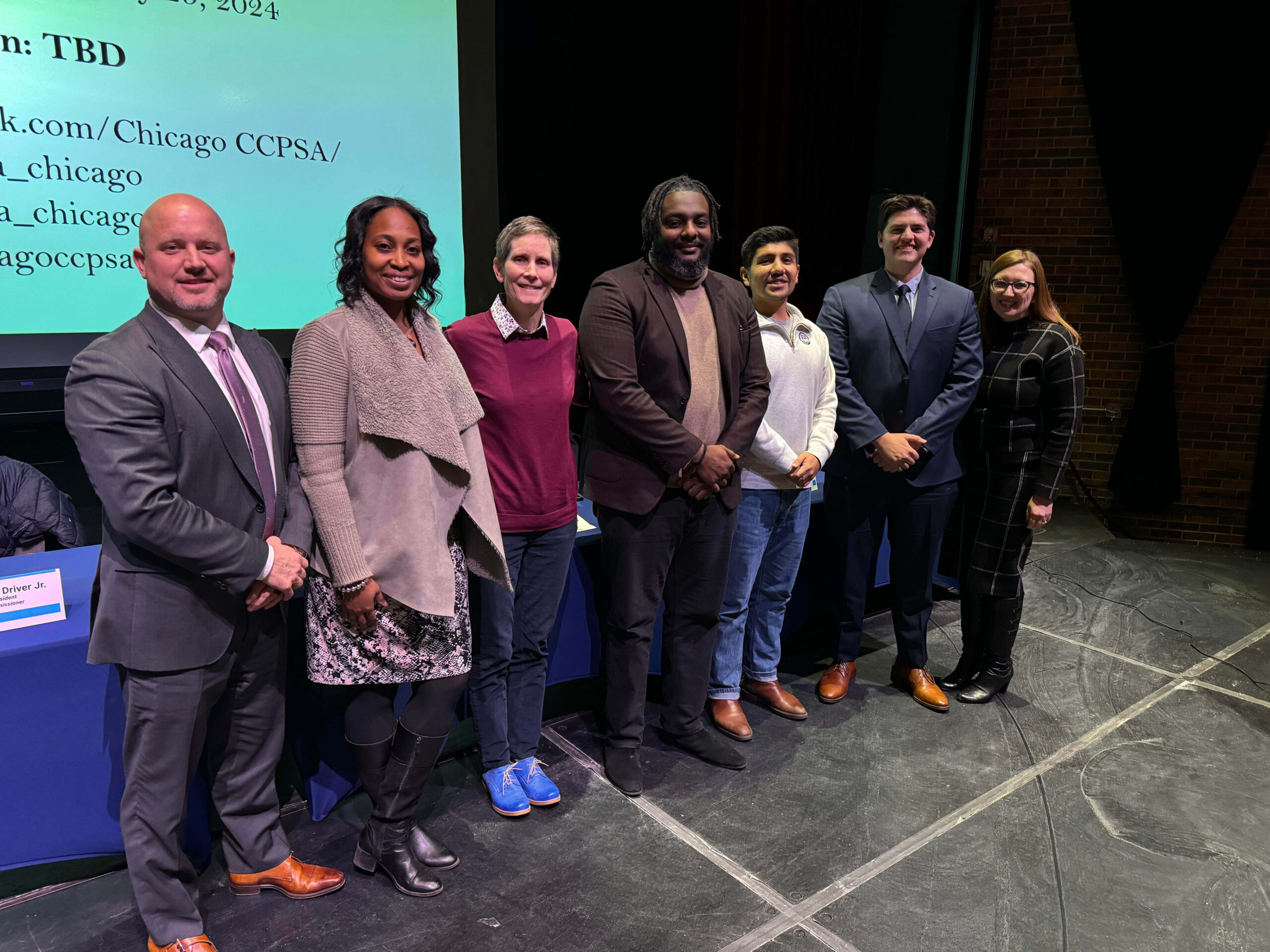
2023
- District Council members elected
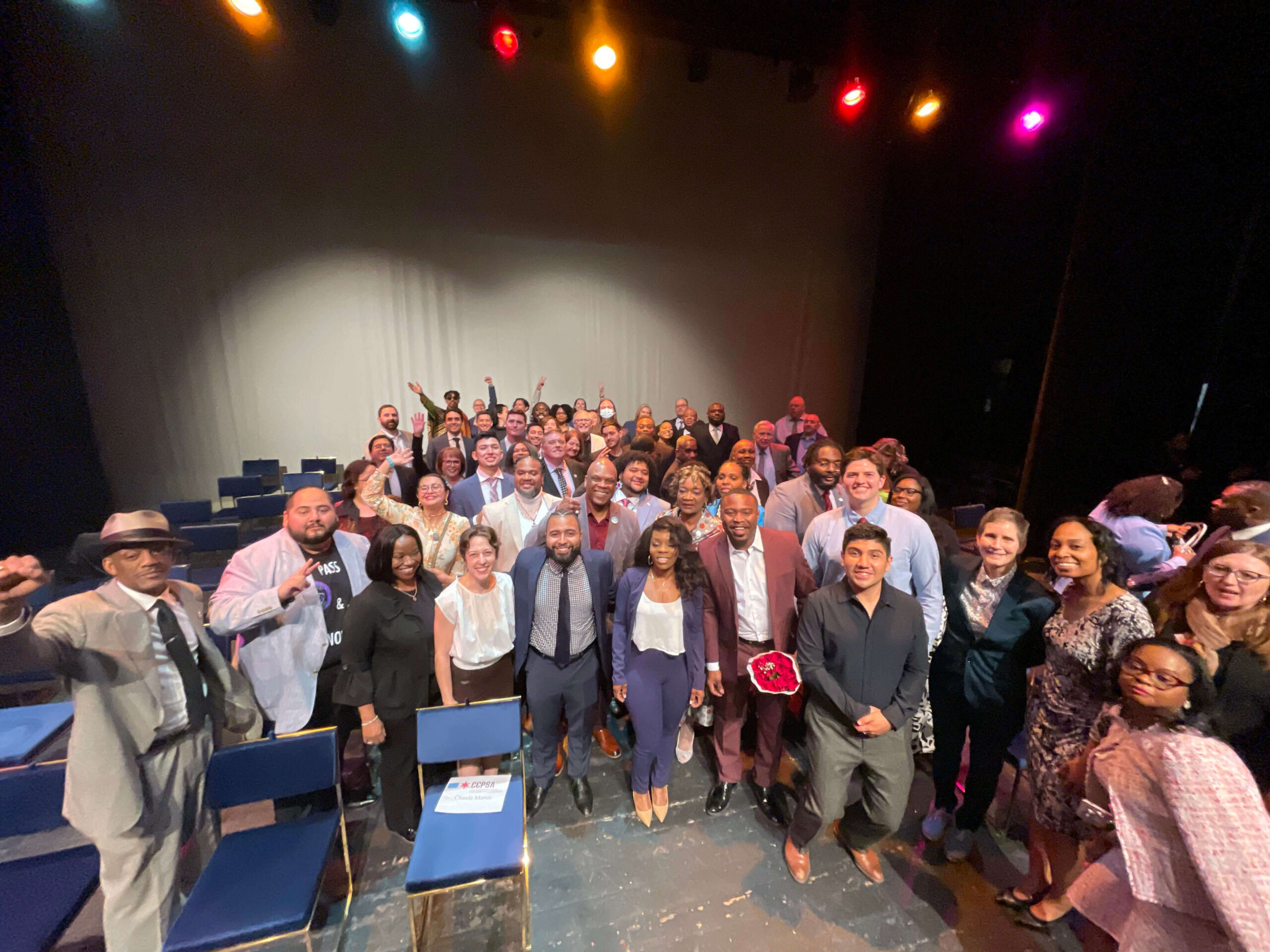
2024
- Elected District Council members nominate and the Mayor selects members of the Community Commission for Public Safety and Accountability